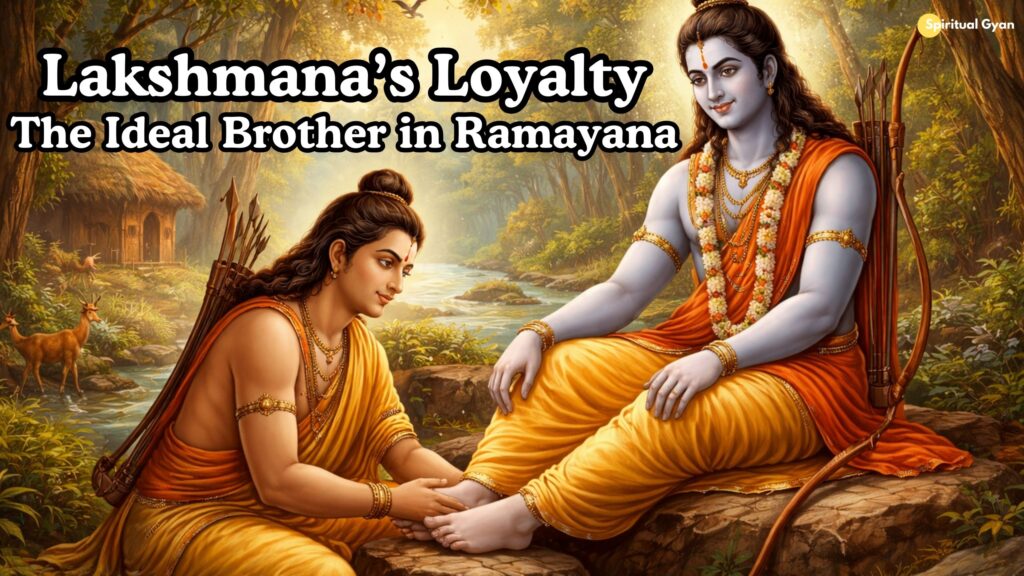
Lakshmana’s Loyalty: The Ideal Brother in Ramayana
Lakshmana stands as one of the most inspiring yet often underappreciated figures in the Ramayana. While Lord Rama is revered as Maryada Purushottama and Sita as the embodiment of purity and strength, Lakshmana represents unwavering loyalty, selfless service, and ideal brotherhood. His life is a living example of how devotion, sacrifice, and duty can be expressed not only toward God but also toward family. The story of Lakshmana’s loyalty is not merely a supporting narrative in the epic; it is a profound lesson in commitment, love, and moral courage that remains relevant even in modern times.
Understanding Lakshmana’s Place in the Ramayana
Lakshmana was born to King Dasharatha and Queen Sumitra, alongside his twin brother Shatrughna. From birth, Lakshmana shared an extraordinary bond with Lord Rama, the eldest son of Dasharatha. Ancient texts describe Lakshmana as the earthly manifestation of Adi Shesha, the divine serpent upon whom Lord Vishnu rests. This divine origin symbolically explains Lakshmana’s eternal role as the protector and servant of Rama, who is the incarnation of Vishnu.
Despite his divine roots, Lakshmana’s life is deeply human in its emotions and struggles. He experiences anger, pain, longing, and sacrifice, making him relatable and inspiring. His loyalty is not blind obedience but conscious devotion rooted in love, righteousness, and understanding of dharma.
The Bond Between Rama and Lakshmana
The relationship between Rama and Lakshmana goes far beyond that of ordinary brothers. From childhood, Lakshmana could not bear separation from Rama. Scriptures suggest that Lakshmana’s happiness was inseparable from Rama’s presence, reflecting a spiritual bond rather than a mere familial one.
When Rama was chosen to protect sages from demons in the forest, Lakshmana accompanied him without hesitation. This early decision sets the tone for his lifelong commitment. Lakshmana never sought recognition or reward; his fulfillment lay in serving Rama and upholding dharma.
Lakshmana’s Reaction to Rama’s Exile
One of the most defining moments of Lakshmana’s loyalty occurs when Rama is exiled to the forest for fourteen years. Upon hearing the unjust decree, Lakshmana is consumed by righteous anger. He openly questions the morality of the decision and expresses his willingness to challenge it.
However, Lakshmana’s anger is not driven by ego or rebellion but by deep love and concern for Rama. When Rama calmly accepts the exile as a duty toward his father’s word, Lakshmana transforms his fury into devotion. He decides to accompany Rama into the forest, leaving behind royal comforts, societal status, and personal ambitions.
Voluntary Sacrifice and Renunciation
Lakshmana’s decision to follow Rama into exile is entirely voluntary. Unlike Rama, who is bound by duty, Lakshmana is under no obligation to leave the palace. Yet he chooses hardship over luxury, service over authority, and sacrifice over comfort.
This renunciation is significant because Lakshmana also leaves behind his wife, Urmila. Urmila’s silent sacrifice complements Lakshmana’s loyalty, creating one of the most poignant yet understated stories in the Ramayana. Lakshmana’s choice demonstrates that true loyalty often demands personal loss, a lesson that resonates deeply in ethical and spiritual discussions.
Lakshmana as the Protector of Rama and Sita
During the forest exile, Lakshmana assumes the role of guardian. He builds huts, gathers resources, and remains constantly vigilant against danger. His protective instincts are especially evident in his devotion to Sita, whom he respects with utmost reverence.
Lakshmana’s relationship with Sita is defined by dignity and boundaries. He never looks directly at her face, symbolizing his purity of intention and respect. This aspect of his character underscores the Ramayana’s emphasis on moral conduct and disciplined relationships.
The Lakshmana Rekha and Its Symbolism
The episode of the Lakshmana Rekha is one of the most well-known moments associated with Lakshmana. Before leaving the hut in search of Rama, Lakshmana draws a protective line around Sita, instructing her not to cross it under any circumstances.
This act represents Lakshmana’s foresight, responsibility, and deep concern for Sita’s safety. Symbolically, the Lakshmana Rekha has come to signify moral boundaries, self-discipline, and protective ethics. Though Sita’s crossing of the line leads to tragic consequences, Lakshmana’s intentions remain pure and protective, reinforcing his role as a vigilant guardian.
Inner Conflict and Emotional Depth
Lakshmana is often portrayed as fierce and intense, yet beneath this exterior lies profound emotional depth. He struggles internally when separated from Rama, particularly during moments of uncertainty. His anguish when Sita is abducted reflects not only grief but also guilt for leaving her alone.
This emotional honesty makes Lakshmana a multidimensional character. Unlike idealized figures who appear untouched by doubt, Lakshmana’s struggles highlight the human side of devotion. His loyalty is tested, questioned, and ultimately reaffirmed through adversity.
Lakshmana’s Role in the War Against Ravana
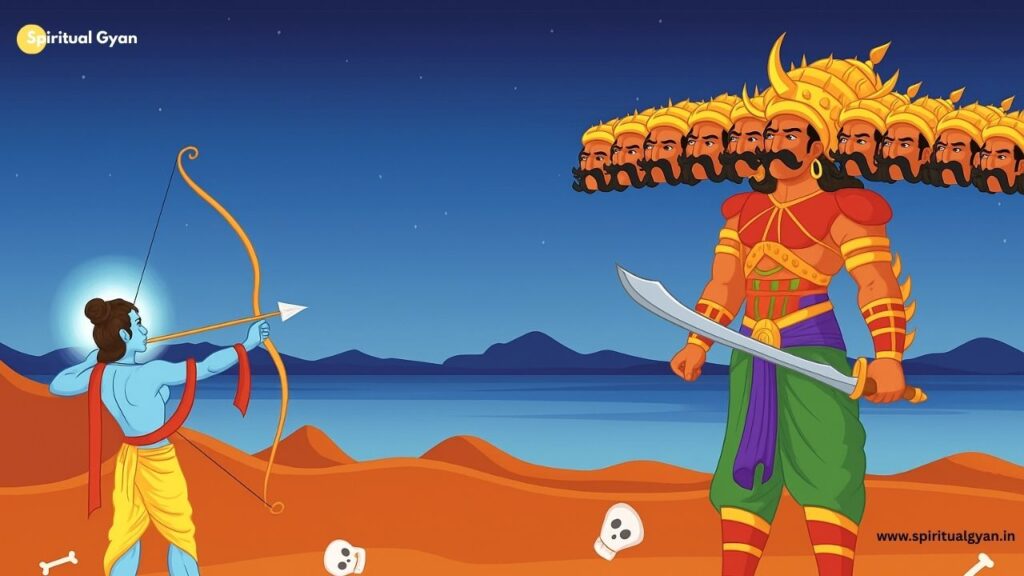
In the battle against Ravana, Lakshmana emerges as a formidable warrior. His combat skills, strategic intelligence, and fearlessness play a crucial role in the war. Lakshmana’s confrontation with Indrajit, Ravana’s powerful son, stands as one of the epic’s most dramatic episodes.
When Lakshmana is struck by the Shakti weapon and falls unconscious, the entire army is shaken. Rama’s grief at this moment reveals the depth of their bond. The urgent quest for the Sanjeevani herb to save Lakshmana underscores his irreplaceable role in Rama’s life and mission.
Brotherhood Beyond Blood Relations
Lakshmana’s loyalty redefines the concept of brotherhood. It is not limited to shared lineage but extends to shared values, goals, and spiritual alignment. Lakshmana embodies the ideal brother who supports without envy, serves without expectation, and protects without hesitation.
In contrast to other sibling relationships in the Ramayana, Lakshmana’s bond with Rama stands out for its harmony and unity. There is no rivalry or insecurity, only mutual respect and love grounded in dharma.
Lakshmana and the Ideal of Seva
Seva, or selfless service, is a central theme in Indian philosophy, and Lakshmana is its living embodiment. His every action is guided by the desire to serve Rama and uphold righteousness. Lakshmana never seeks power or recognition, even though he is capable of both.
This attitude of seva transforms loyalty into a spiritual practice. Lakshmana teaches that true devotion is expressed through action, humility, and consistent effort rather than words or rituals alone.
The Silent Strength of Lakshmana
Unlike characters who dominate the narrative through speeches or dramatic gestures, Lakshmana’s strength lies in his silence and consistency. He does not proclaim his loyalty; he lives it every day. His restraint, discipline, and focus reflect inner strength cultivated through devotion.
This silent strength is particularly relevant in modern times, where loyalty is often measured by visibility rather than sincerity. Lakshmana reminds us that the most meaningful contributions are often quiet and uncelebrated.
Lakshmana’s Relationship with Bharata and Shatrughna
Lakshmana’s loyalty is not exclusive to Rama alone. His respect for Bharata and affection for Shatrughna further illustrate his balanced character. Despite Bharata’s absence during Rama’s exile decision, Lakshmana recognizes Bharata’s purity of intention and supports his devotion to Rama.
This mutual respect among brothers reinforces the Ramayana’s portrayal of ideal familial harmony, where differences are resolved through understanding and shared commitment to dharma.
Moral Lessons from Lakshmana’s Loyalty
Lakshmana’s life offers timeless moral lessons. His example teaches that loyalty must be rooted in righteousness, not blind attachment. He demonstrates that anger, when guided by ethics, can be transformed into protective strength rather than destructive force.
His willingness to endure hardship for a higher purpose inspires individuals to reflect on their own commitments and values. Lakshmana’s story encourages selflessness, perseverance, and integrity in relationships.
Lakshmana as a Role Model for Modern Relationships
In today’s fast-paced and individualistic world, Lakshmana’s loyalty offers a powerful counter-narrative. His life emphasizes the importance of standing by loved ones during adversity, honoring commitments, and prioritizing collective well-being over personal gain.
Whether in family, friendship, or professional life, Lakshmana’s principles of service, respect, and unwavering support remain profoundly relevant. He exemplifies how strength and compassion can coexist harmoniously.
Spiritual Symbolism of Lakshmana’s Character
From a spiritual perspective, Lakshmana represents the disciplined mind that serves the higher self, symbolized by Rama. His constant vigilance mirrors the role of awareness in protecting spiritual values from negative influences.
In this interpretation, Lakshmana’s loyalty becomes an inner journey, reminding seekers to cultivate dedication, humility, and focus on the path of righteousness.
Why Lakshmana’s Loyalty Still Matters Today
Lakshmana’s story endures because it speaks to universal human experiences. His sacrifices, struggles, and steadfast devotion resonate across cultures and generations. In a world where loyalty is often conditional, Lakshmana stands as a timeless ideal of unconditional commitment guided by ethical clarity.
His life encourages individuals to ask deeper questions about duty, love, and service. By reflecting on Lakshmana’s loyalty, readers are invited to rediscover the power of selfless relationships and purposeful living.
Lakshmana, the Eternal Ideal Brother
Lakshmana’s loyalty in the Ramayana is not a supporting theme but a central pillar of the epic’s moral framework. As the ideal brother, devoted companion, and fearless protector, Lakshmana exemplifies the highest values of human conduct.
His life teaches that true greatness lies not in authority or recognition but in service, sacrifice, and steadfast devotion to righteousness. Lakshmana remains an eternal inspiration, reminding humanity that loyalty, when guided by dharma, has the power to transform lives and uphold the moral fabric of society.
Read Also : What Is Aranya Kanda? Complete Ramayana Story And Hidden Meanings