
What Ramayana Teaches About Ideal Leadership and Governance
The Ramayana is not merely an ancient epic or a religious scriptur, it is a timeless guide to ethical leadership, responsible governance, and moral authority. Written thousands of years ago, the Ramayana continues to influence how leadership is understood in Indian civilization and beyond. Through the lives of Lord Rama, Bharata, Lakshmana, Hanuman, and even antagonists like Ravana, the epic presents a comprehensive framework for ruling with integrity, compassion, and discipline. In an era where leadership crises are common across politics, business, and institutions, the Ramayana offers lessons that are deeply relevant to modern governance.
The Concept of Ideal Leadership in Ramayana
Leadership in the Ramayana is not defined by power, dominance, or personal gain. Instead, it is rooted in dharma, the moral law that governs righteous conduct. An ideal leader is one who serves the people selflessly, upholds justice even at personal cost, and remains accountable to ethical principles. Lord Rama is portrayed as Maryada Purushottama, the ideal man, because his leadership is based on restraint, duty, and humility rather than authority alone. Governance in the Ramayana is not about ruling over people but about protecting and nurturing them.
Dharma as the Foundation of Governance
The most significant lesson of governance in the Ramayana is that leadership must be guided by dharma. Dharma is not rigid law but a living moral compass that balances justice, compassion, and responsibility. King Dasharatha’s commitment to keeping his promise, even when it led to immense personal suffering, demonstrates how rulers are bound by ethical obligations. Lord Rama’s acceptance of exile, despite being the rightful heir to the throne, shows that legitimacy in leadership comes from moral conduct, not mere entitlement. Governance without dharma, as seen in Ravana’s rule, ultimately leads to destruction regardless of power or prosperity.
Lord Rama as the Ideal Ruler
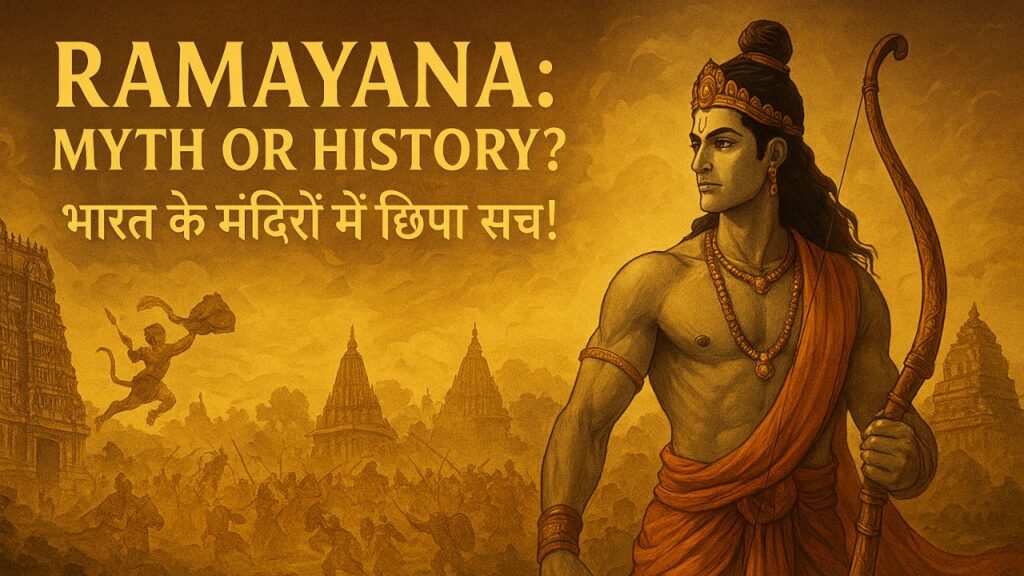
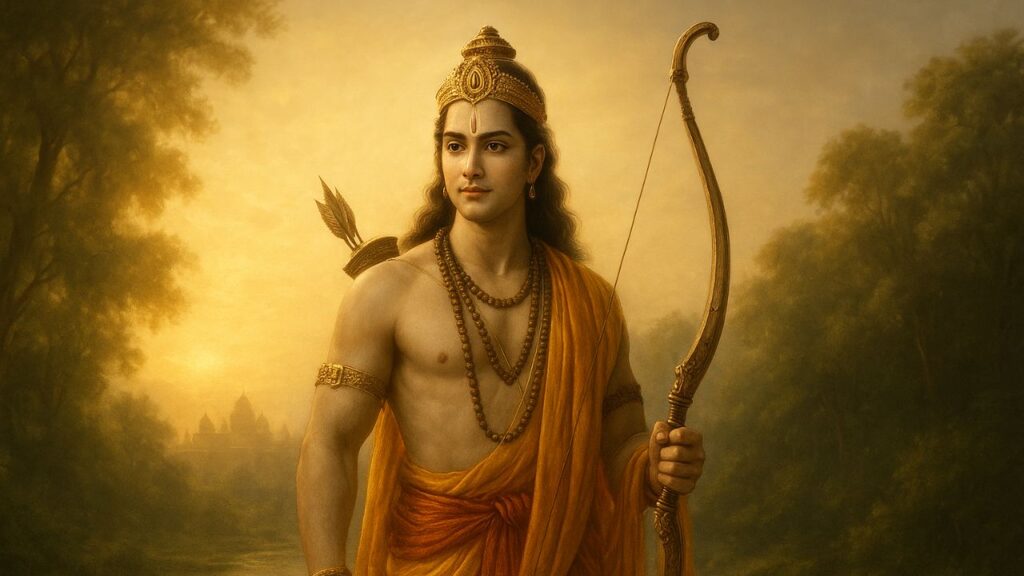
Lord Rama’s leadership style represents the highest standard of governance. He never ruled with arrogance or fear but with empathy and righteousness. Even during exile, Rama acted as a protector of sages, common people, and forest dwellers, proving that leadership is a responsibility, not a privilege limited to formal authority. When Rama ascended the throne of Ayodhya, his rule came to be known as Ram Rajya, a symbol of perfect governance where justice, prosperity, and happiness prevailed. Ram Rajya emphasizes that a ruler’s success is measured by the well-being of the weakest citizens.
Sacrifice and Selflessness in Leadership
One of the most powerful lessons of the Ramayana is that true leadership demands sacrifice. Lord Rama sacrificed his kingdom, personal comfort, and even public perception to uphold dharma. Bharata, another exemplary leader, refused to accept the throne and ruled Ayodhya as a trustee in Rama’s name, placing Rama’s sandals on the throne as a symbol of moral authority. This act reflects a governance model where power is secondary to principles. Such leadership contrasts sharply with modern power-driven politics, reminding us that authority gains respect only when it is exercised selflessly.
Accountability and Moral Responsibility
The Ramayana teaches that leaders must remain accountable to their people and to moral law. Rama consistently held himself to the same standards he expected from others. He listened to public opinion, even when it caused him personal pain, highlighting the burden of leadership accountability. While this aspect is often debated, it underscores the idea that rulers cannot detach themselves from societal expectations. Governance, according to the Ramayana, requires transparency, moral courage, and the willingness to face criticism.
Justice and Fair Governance
Justice in the Ramayana is impartial and rooted in righteousness rather than favoritism. Rama treated allies and enemies with fairness, offering Ravana multiple chances to reform before war became inevitable. Even after defeating Ravana, Rama honored him as a great warrior, separating personal conflict from ethical judgment. This approach teaches leaders to uphold justice without hatred or revenge. Governance should correct wrongdoing while preserving dignity, a lesson highly relevant to modern judicial and administrative systems.
Leadership Through Example
The Ramayana strongly emphasizes that leaders must lead by example. Rama never asked others to follow rules he himself did not obey. His disciplined life, respect for elders, loyalty to family, and compassion toward subjects created natural authority. Lakshmana’s unwavering support shows how effective leadership inspires loyalty through virtue rather than command. Modern leadership often relies on policies and enforcement, but the Ramayana reminds us that character is the most powerful form of influence.
Role of Advisors and Collective Governance
Effective governance in the Ramayana is never isolated. Wise counselors like Vashistha, Vishwamitra, and Hanuman played crucial roles in guiding leaders. Rama valued advice and collective wisdom, understanding that leadership is strengthened through consultation. Ravana’s downfall, on the other hand, was accelerated by his refusal to listen to advisors like Vibhishana. This contrast highlights the importance of humility in leadership and the need for inclusive decision-making in governance.
Compassion as a Leadership Quality
Compassion is a defining trait of ideal leadership in the Ramayana. Rama’s empathy toward suffering beings, including animals and marginalized communities, illustrates governance rooted in humanity. He formed alliances beyond social boundaries, recognizing merit and devotion over status. This inclusive approach teaches that leaders must see citizens not as subjects but as human beings deserving dignity and care. Compassionate governance fosters trust, stability, and long-term harmony.
Ravana: A Lesson in Failed Leadership
Ravana is often viewed solely as a villain, but his character offers critical lessons in governance failure. Despite being a great scholar, powerful ruler, and capable administrator, Ravana’s ego, unchecked desire, and disregard for dharma led to his downfall. His inability to control personal ambition corrupted his leadership, demonstrating that intelligence and strength alone cannot sustain governance. The Ramayana uses Ravana’s story to warn leaders against arrogance, ethical compromise, and misuse of power.
Women and Leadership Ethics in Ramayana
The Ramayana also highlights the moral strength of women and their influence on leadership. Sita embodies resilience, integrity, and moral courage, setting ethical benchmarks for society. Kaikeyi’s story reflects how personal desires can impact governance when leaders fail to balance emotion with responsibility. These narratives emphasize that leadership decisions affect entire societies and must be made with wisdom and foresight.
Governance During Crisis and Adversity
Leadership is truly tested during crises, and the Ramayana offers numerous examples of governance under adversity. Rama’s calm, composed response to exile and war demonstrates emotional intelligence and strategic thinking. He never allowed anger or despair to dictate decisions. Modern leaders can learn from this approach, understanding that stability, patience, and clarity are essential during national or organizational crises.
Ethical Warfare and Responsibility of Power
The Ramayana presents a moral framework even in warfare. Rama followed strict ethical codes, fighting only when necessary and respecting rules of combat. This reinforces the idea that power must always be exercised responsibly. Governance includes the ethical use of authority, ensuring that actions taken for protection do not become instruments of oppression.
Ram Rajya: The Ideal Model of Governance
Ram Rajya represents a vision of governance where justice, prosperity, and moral values coexist. It is not a political system but a philosophical ideal. In Ram Rajya, citizens are free from fear, corruption is absent, and rulers act as servants of the people. This concept continues to inspire leaders, reformers, and thinkers, offering a timeless benchmark for good governance rooted in ethics and compassion.
Relevance of Ramayana’s Leadership Lessons Today
In today’s world of political instability, corporate scandals, and ethical dilemmas, the leadership principles of the Ramayana are more relevant than ever. The epic teaches that leadership without morality is hollow and governance without compassion is unsustainable. Whether in government, business, or community roles, the Ramayana encourages leaders to prioritize service over self-interest, principles over power, and duty over desire.
Timeless Wisdom for Modern Governance
The Ramayana is not confined to temples or ancient texts; it is a living guide for leadership and governance. Its teachings transcend time, culture, and geography, offering universal values applicable to modern society. By embracing dharma, accountability, compassion, and selfless service, leaders can create systems that are just, stable, and humane. The Ramayana ultimately teaches that ideal governance begins with inner discipline and moral clarity, proving that true leadership is not about ruling others but about mastering oneself.
Read More : Ayodhya Kand of Ramayana: Complete Story Meaning And Spiritual Lessons