
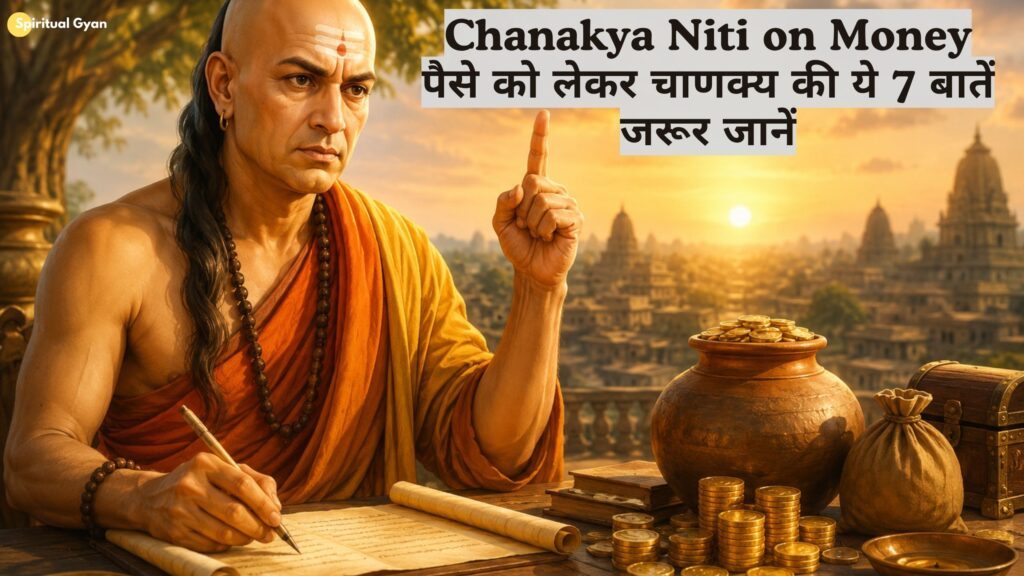
Chanakya Niti on Money
धन जीवन की महत्वपूर्ण आवश्यकताओं में से एक है। पैसा केवल सुख-सुविधाएं खरीदने का माध्यम नहीं है, बल्कि सही समय पर यह व्यक्ति को आत्मनिर्भर, सुरक्षित और मजबूत बनाने में भी मदद करता है। हालांकि धन का महत्व समझने के साथ-साथ उसे कमाने, बचाने और सही तरीके से खर्च करने की समझ होना भी जरूरी है। इसी विषय पर आचार्य चाणक्य की नीतियां आज भी लोगों को महत्वपूर्ण सीख देती हैं।
आचार्य चाणक्य को भारतीय इतिहास के महान अर्थशास्त्री, राजनीतिज्ञ और कूटनीतिज्ञ के रूप में जाना जाता है। उनकी प्रसिद्ध रचना चाणक्य नीति में धन, सफलता, व्यवहार, मित्रता, परिवार, शिक्षा और जीवन प्रबंधन से जुड़ी अनेक व्यावहारिक बातें बताई गई हैं। चाणक्य के अनुसार धन कमाना जितना जरूरी है, उससे कहीं अधिक जरूरी है धन की रक्षा करना और उसका सही उपयोग करना।
आज के समय में बढ़ती जरूरतों, महंगाई और अनिश्चित आर्थिक परिस्थितियों के बीच चाणक्य की धन संबंधी नीतियां बेहद उपयोगी साबित हो सकती हैं। आइए जानते हैं Chanakya Niti on Money के अनुसार धन से जुड़े कौन-कौन से सिद्धांत व्यक्ति को आर्थिक रूप से मजबूत बनाने में मदद कर सकते हैं।
धन कमाने के साथ बचत करना भी जरूरी है
चाणक्य की नीतियों का एक महत्वपूर्ण संदेश यह है कि व्यक्ति को अपनी आय के अनुसार खर्च करना चाहिए और भविष्य के लिए धन बचाकर रखना चाहिए। केवल अधिक कमाई करना ही आर्थिक सफलता नहीं है। यदि व्यक्ति अपनी पूरी आय खर्च कर देता है और भविष्य के लिए कुछ नहीं बचाता, तो कठिन समय में परेशानी बढ़ सकती है।
आज के समय में भी आर्थिक विशेषज्ञ इमरजेंसी फंड और बचत पर जोर देते हैं। इसलिए आय का एक हिस्सा नियमित रूप से बचाना एक अच्छी वित्तीय आदत हो सकती है।
चाहे आमदनी कम हो या अधिक, बचत की आदत धीरे-धीरे विकसित की जा सकती है। छोटी बचत भी लंबे समय में बड़ी आर्थिक सुरक्षा का आधार बन सकती है।
जरूरत और इच्छा के बीच अंतर समझें
चाणक्य की नीतियों को आधुनिक जीवन से जोड़कर देखें तो एक बड़ी सीख यह मिलती है कि व्यक्ति को अपनी जरूरतों और इच्छाओं के बीच अंतर समझना चाहिए।
हर चीज खरीदना जरूरी नहीं होता। कई बार व्यक्ति केवल दिखावे, दूसरों की बराबरी या तत्काल आकर्षण के कारण ऐसी चीजों पर पैसा खर्च कर देता है जिनकी वास्तव में आवश्यकता नहीं होती।
इसलिए खर्च करने से पहले स्वयं से यह सवाल करना उपयोगी हो सकता है कि यह वस्तु वास्तव में जरूरी है या केवल इच्छा है। यह छोटी सी आदत अनावश्यक खर्च को नियंत्रित करने में मदद कर सकती है।
गलत लोगों के कारण धन का नुकसान हो सकता है
चाणक्य ने संगति और व्यक्ति की पहचान को बहुत महत्व दिया है। गलत लोगों पर आंख बंद करके भरोसा करना आर्थिक नुकसान का कारण बन सकता है।
आज के समय में यह बात व्यापार, साझेदारी, निवेश और व्यक्तिगत लेन-देन सभी क्षेत्रों में लागू होती है। किसी व्यक्ति को केवल उसके मीठे व्यवहार के आधार पर आर्थिक मामलों में भरोसेमंद नहीं मानना चाहिए।
पैसों से जुड़ा कोई भी बड़ा निर्णय लेने से पहले व्यक्ति की विश्वसनीयता, अनुभव और व्यवहार को समझना जरूरी है। भावनाओं में आकर आर्थिक निर्णय लेना कई बार नुकसानदायक हो सकता है।
धन का दिखावा करने से बचना चाहिए
चाणक्य की नीतियों से जुड़ी एक महत्वपूर्ण व्यावहारिक सीख यह है कि व्यक्ति को अपनी संपत्ति और आर्थिक स्थिति का अनावश्यक प्रदर्शन नहीं करना चाहिए।
आज सोशल मीडिया के दौर में महंगी वस्तुओं, यात्राओं और जीवनशैली का प्रदर्शन सामान्य हो गया है। लेकिन दिखावे के पीछे किया गया अत्यधिक खर्च व्यक्ति की आर्थिक स्थिति को कमजोर कर सकता है।
धन का उद्देश्य केवल दूसरों को प्रभावित करना नहीं होना चाहिए। धन का बेहतर उपयोग परिवार की जरूरतों, शिक्षा, स्वास्थ्य, भविष्य की सुरक्षा और आवश्यक परिस्थितियों के लिए किया जा सकता है।
कमाई का साधन मजबूत बनाएं
चाणक्य की सोच में व्यक्ति की योग्यता और ज्ञान का विशेष महत्व है। आधुनिक संदर्भ में इसका अर्थ है कि केवल एक आय के स्रोत पर निर्भर रहने के बजाय व्यक्ति को अपनी क्षमता और कौशल को लगातार बेहतर बनाते रहना चाहिए।
नई चीजें सीखना, अपनी विशेषज्ञता बढ़ाना और बदलते समय के साथ खुद को अपडेट करना भविष्य में बेहतर अवसर पैदा कर सकता है।
आज के डिजिटल युग में नौकरी के साथ फ्रीलांसिंग, व्यवसाय, डिजिटल स्किल्स या अन्य वैध आय के अवसर भी उपलब्ध हैं। हालांकि किसी भी अतिरिक्त आय के रास्ते को अपनाने से पहले उसकी विश्वसनीयता और जोखिम को समझना आवश्यक है।
धन को आलस्य से नहीं, मेहनत से प्राप्त करें
चाणक्य की नीतियों में परिश्रम और अनुशासन का विशेष महत्व दिखाई देता है। धन प्राप्त करने के लिए मेहनत, बुद्धि और सही रणनीति की आवश्यकता होती है।
जल्दी अमीर बनने की चाह व्यक्ति को गलत फैसलों की ओर ले जा सकती है। आज के समय में भी ऐसे कई अवसर दिखाई देते हैं जो कम समय में बहुत अधिक पैसा देने का दावा करते हैं। ऐसे मामलों में सावधानी जरूरी है।
स्थायी आर्थिक सफलता आमतौर पर ज्ञान, मेहनत, अनुशासन और धैर्य से बनती है।
आर्थिक निर्णय भावनाओं में आकर न लें
पैसों से जुड़े फैसले लेते समय भावनाओं पर नियंत्रण रखना बहुत महत्वपूर्ण है। लालच, डर और जल्दबाजी व्यक्ति से गलत निर्णय करवा सकते हैं।
उदाहरण के लिए किसी निवेश के बारे में केवल इसलिए निर्णय लेना कि दूसरे लोग पैसा कमा रहे हैं, समझदारी नहीं है। किसी भी आर्थिक निर्णय से पहले उसके जोखिम, उद्देश्य और संभावित परिणामों को समझना चाहिए।
चाणक्य की नीति का व्यावहारिक संदेश यही माना जा सकता है कि बुद्धि और विवेक से लिया गया निर्णय व्यक्ति को अनावश्यक नुकसान से बचा सकता है।
संकट के समय के लिए धन सुरक्षित रखें
जीवन हमेशा एक जैसा नहीं रहता। कभी परिस्थितियां अनुकूल होती हैं तो कभी अचानक आर्थिक संकट सामने आ सकता है। नौकरी जाना, व्यवसाय में नुकसान, अचानक बड़े खर्च या अन्य परिस्थितियां व्यक्ति की आर्थिक योजना को प्रभावित कर सकती हैं।
इसलिए भविष्य के लिए पर्याप्त बचत रखना समझदारी है। आपातकालीन परिस्थितियों के लिए अलग धन रखना व्यक्ति को मानसिक और आर्थिक सुरक्षा दे सकता है।
चाणक्य की धन संबंधी सीखों को आधुनिक वित्तीय जीवन में लागू करते हुए Emergency Fund बनाना एक उपयोगी कदम हो सकता है।
धन का सही उपयोग करना सीखें
धन केवल जमा करने की वस्तु नहीं है। उसका उचित उपयोग भी उतना ही महत्वपूर्ण है।
परिवार की जरूरतों को पूरा करना, बच्चों की शिक्षा, अपने कौशल को बढ़ाना, आवश्यक सुविधाएं उपलब्ध कराना और भविष्य की सुरक्षा के लिए योजना बनाना धन के सकारात्मक उपयोग के उदाहरण हैं।
यदि धन केवल दिखावे और अनावश्यक विलासिता पर खर्च किया जाए, तो वह व्यक्ति को लंबे समय तक आर्थिक मजबूती नहीं दे सकता।
उधार लेने और देने में सावधानी बरतें
पैसों का लेन-देन रिश्तों को भी प्रभावित कर सकता है। इसलिए किसी को बड़ी रकम उधार देने या स्वयं बड़ी राशि उधार लेने से पहले सोच-विचार करना चाहिए।
यदि किसी व्यक्ति को पैसा उधार देना आवश्यक हो, तो अपनी आर्थिक क्षमता और उस राशि की वापसी की संभावना को ध्यान में रखना चाहिए। इसी तरह जरूरत से अधिक कर्ज लेना भविष्य में आर्थिक दबाव बढ़ा सकता है।
आधुनिक समय में लोन, क्रेडिट कार्ड और अन्य वित्तीय सुविधाओं का इस्तेमाल करते हुए repayment capacity को समझना बेहद जरूरी है।
धन के साथ ज्ञान को भी महत्व दें
चाणक्य की नीतियों में ज्ञान को अत्यंत महत्वपूर्ण माना गया है। धन खो जाने पर उसे दोबारा कमाया जा सकता है, लेकिन ज्ञान और अनुभव व्यक्ति की स्थायी संपत्ति बन सकते हैं।
यदि व्यक्ति अपनी कमाई का कुछ हिस्सा शिक्षा, कौशल और ज्ञान बढ़ाने में लगाता है, तो यह भविष्य में उसकी आय क्षमता को बढ़ाने में मदद कर सकता है।
इसलिए केवल पैसा जमा करने के बजाय खुद को आर्थिक रूप से समझदार बनाना भी जरूरी है।
व्यापार में विवेक और अनुशासन जरूरी है
व्यापार करने वाले लोगों के लिए चाणक्य की नीतियां विशेष रूप से उपयोगी मानी जाती हैं। व्यापार में केवल पूंजी होना पर्याप्त नहीं है। बाजार की समझ, ग्राहकों की जरूरत, सही योजना और जोखिम प्रबंधन भी आवश्यक है।
किसी भी व्यापार में पूरा पैसा एक ही जगह लगा देना जोखिमपूर्ण हो सकता है। निवेश या व्यवसाय से जुड़े फैसले अपनी आर्थिक स्थिति और जोखिम क्षमता को ध्यान में रखकर लेने चाहिए।
साथ ही व्यापार में ईमानदारी और भरोसे का महत्व भी बहुत अधिक है। लंबे समय में ग्राहक का विश्वास किसी भी व्यवसाय की महत्वपूर्ण पूंजी बन सकता है।
JOIN OUR WHATSAPP CHANNEL : CLICK HEAR
लालच से बचना चाहिए
धन कमाने की इच्छा स्वाभाविक है, लेकिन अत्यधिक लालच व्यक्ति को गलत रास्ते पर ले जा सकता है। अधिक पैसा कमाने के चक्कर में व्यक्ति कई बार जोखिम को नजरअंदाज कर देता है।
चाणक्य की नीतियों को आधुनिक संदर्भ में समझें तो आर्थिक सफलता के लिए लालच की जगह विवेक और दीर्घकालीन सोच को प्राथमिकता देना बेहतर है।
हर अवसर लाभदायक नहीं होता और हर अधिक रिटर्न वाला विकल्प सुरक्षित नहीं होता। इसलिए किसी भी वित्तीय निर्णय में जोखिम को समझना जरूरी है।
अपनी आर्थिक स्थिति किसी से छिपाने के बजाय समझें
आर्थिक रूप से मजबूत बनने के लिए व्यक्ति को अपनी वास्तविक आर्थिक स्थिति का पता होना चाहिए। महीने की आय कितनी है, खर्च कितना है, कर्ज कितना है और बचत कितनी है—इन सभी बातों की जानकारी होना जरूरी है।
कई लोग अपनी आय बढ़ाने पर ध्यान देते हैं लेकिन खर्चों का हिसाब नहीं रखते। इससे आर्थिक योजना कमजोर हो सकती है।
इसलिए हर महीने बजट बनाना, खर्चों को नोट करना और बचत की समीक्षा करना एक अच्छी आदत हो सकती है।
धन और रिश्तों में संतुलन रखें
पैसा महत्वपूर्ण है, लेकिन जीवन में रिश्तों और मानसिक संतुलन का भी अपना महत्व है। केवल धन कमाने के लिए परिवार, स्वास्थ्य या महत्वपूर्ण रिश्तों की अनदेखी करना उचित नहीं है।
धन का उद्देश्य जीवन को बेहतर बनाना होना चाहिए, न कि जीवन का पूरा उद्देश्य केवल धन बन जाना चाहिए।
चाणक्य की व्यावहारिक सोच हमें यह समझने में मदद करती है कि बुद्धिमानी केवल पैसा कमाने में नहीं, बल्कि जीवन के विभिन्न पक्षों में संतुलन बनाने में भी है।
आज के समय में Chanakya Niti on Money की प्रासंगिकता
चाणक्य के समय की आर्थिक व्यवस्था और आज की वित्तीय व्यवस्था में काफी अंतर है, लेकिन उनकी कई मूल जीवन-नीतियां आज भी व्यवहारिक रूप से उपयोगी लगती हैं।
आज के समय में बजटिंग, सेविंग, इमरजेंसी फंड, स्किल डेवलपमेंट, रिस्क मैनेजमेंट और फाइनेंशियल प्लानिंग जैसे विषयों पर जोर दिया जाता है। चाणक्य की नीतियों को इन आधुनिक अवधारणाओं के साथ जोड़कर देखें तो उनकी मूल सीख अनुशासन, विवेक, सावधानी और दूरदर्शिता के आसपास दिखाई देती है।
इसलिए चाणक्य नीति को किसी आधुनिक निवेश सलाह का विकल्प नहीं माना जाना चाहिए, बल्कि जीवन और धन के प्रति एक व्यावहारिक दृष्टिकोण के रूप में समझना बेहतर है।
चाणक्य नीति से धन के बारे में 10 बड़ी सीख
- आय के अनुसार खर्च करें।
- भविष्य के लिए नियमित बचत करें।
- अनावश्यक दिखावे से बचें।
- पैसों के मामले में आंख बंद करके किसी पर भरोसा न करें।
- लालच और जल्दबाजी में आर्थिक निर्णय न लें।
- अपनी योग्यता और ज्ञान को लगातार बढ़ाएं।
- कर्ज लेने से पहले उसे चुकाने की क्षमता समझें।
- संकट के समय के लिए धन सुरक्षित रखें।
- धन का उपयोग सही और आवश्यक कार्यों में करें।
- लंबे समय की आर्थिक सुरक्षा को तत्काल सुख-सुविधाओं से ऊपर रखें।
Chanakya Niti on Money हमें यह समझाने में मदद करती है कि आर्थिक सफलता केवल अधिक पैसा कमाने का नाम नहीं है। असली समझदारी धन कमाने के साथ-साथ उसे बचाने, सही जगह इस्तेमाल करने और भविष्य के लिए सुरक्षित रखने में है।
चाणक्य की नीतियों से प्रेरणा लेते हुए व्यक्ति अपने खर्चों पर नियंत्रण, बचत की आदत, सही संगति, आर्थिक अनुशासन और दूरदर्शी सोच विकसित कर सकता है। हालांकि आधुनिक निवेश, टैक्स, बीमा या बड़े वित्तीय फैसलों के लिए विशेषज्ञ की सलाह लेना उचित है।
आखिरकार धन तभी उपयोगी है जब वह व्यक्ति और उसके परिवार के जीवन में स्थिरता, सुरक्षा और बेहतर अवसर लेकर आए। इसलिए चाणक्य की सबसे महत्वपूर्ण धन संबंधी सीख को एक वाक्य में समझें तो कहा जा सकता है—कमाई के साथ बचत, खर्च के साथ विवेक और धन के साथ दूरदर्शिता जरूरी है।
Read Also : Chanakya Niti Explained: आसान शब्दों में समझें चाणक्य की 10 अनमोल सीख